

They say that winning a won game is the hardest thing to do in chess. I’d say winning a lost game is harder, but whatever: Not winning when you’re ahead is definitely frustrating.
Part of the problem is that the main advice for converting, trading pieces, doesn’t work. While it’s true in general that trades tend to benefit the side with more material, thinking about trading actually makes most people less likely to convert the whole point. Later in the guide, I’ll get into detail about what you should think about instead.
Let me just say a little more about why not being able to convert when you’re up a piece is such a huge problem. Taking pieces and converting the extra material into a win is the simplest, most common gameplan in chess. It should be your default going into every game.
When I play opponents under 2000 in OTB chess, the game usually goes like this:
I bring out my pieces.
I take their pieces.
I win.
Can it really be that simple? It can, if you know how to do it.
There is a perception out there that material is overrated and we should all focus more on piece activity and dynamic factors. This is cool if you’re AlphaZero, but at the human level, taking pieces remains undefeated. It is by far the easiest way to beat 99% of opponents.
The problem is that if you don’t know how to win when you’re up a piece, not only do you fail to win those scenarios as often as you should, you underrate the value of material on the whole: You don’t take material when you should, and you give away your pieces too often as well. The entire game seems to be a chaotic and random affair where material is just another factor.
It’s not. Chess is all about material. It’s 99% taking pieces. Only when both sides have their pieces on stone cold lockdown does any other factor matter at all. You must take your opponent’s pieces when you have the chance, and you can’t let them take your pieces.
I like to give my students a lot of positions that other coaches probably wouldn’t consider puzzles. Here’s one. Black has just played Bh3. How would you react?
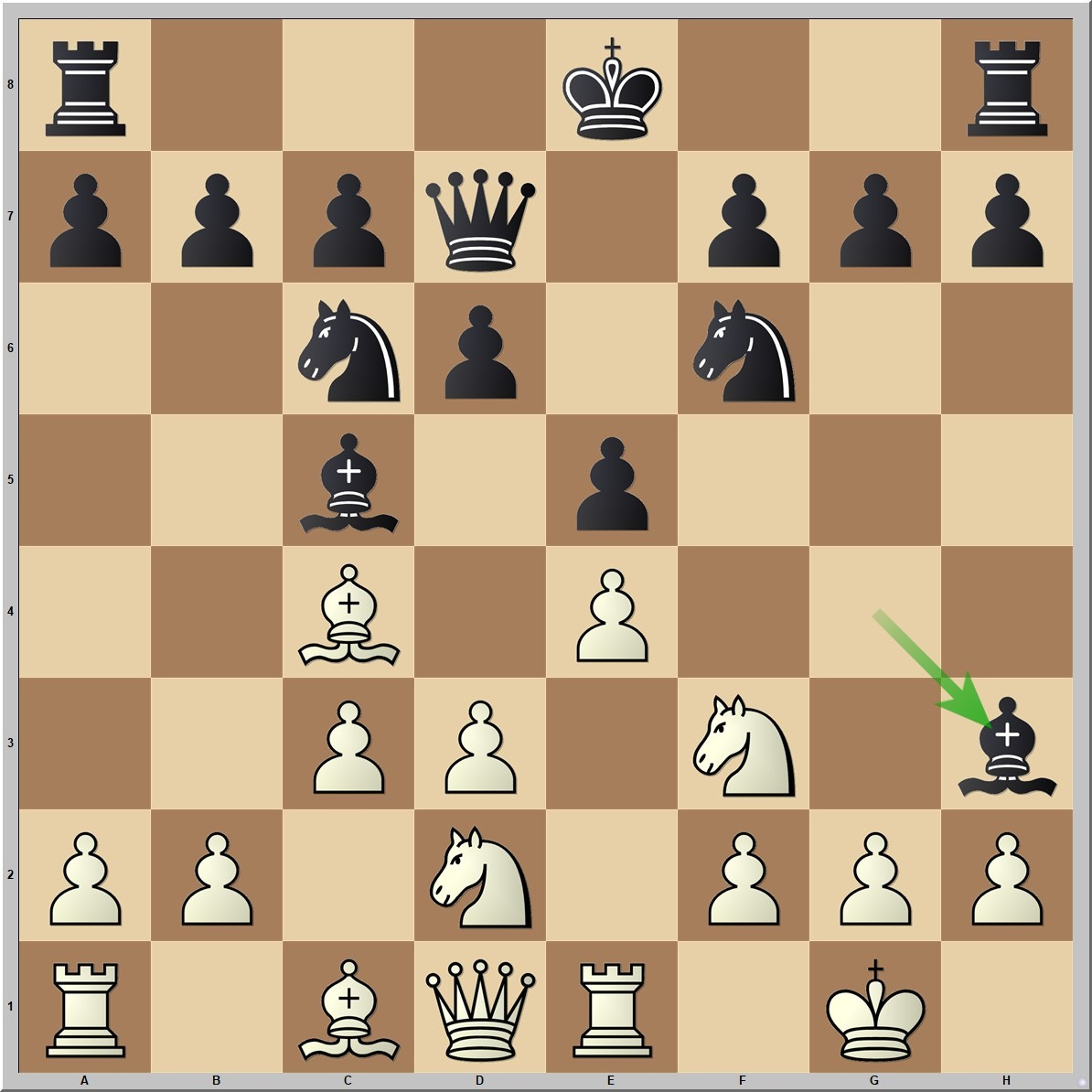
If you’re already quite a strong player – 1800+ let’s say – you might be quite confused about this position. Free piece, right? What’s the catch?
But the majority of players I show this to don’t want to take the piece. I think most of them more or less know that gxh3 is objectively the best move, but they’re not confident in their ability to convert the resulting position. Often, they reference a specific painful game they lost after taking a piece but exposing their king. (Chess is more about emotional trauma than most people realize.)
But the truth about this position is, that’s a free piece. Black has nowhere near enough compensation; their attack will quickly be pushed back and White should cruise to victory. But to take advantage of this, you need to develop the skill of conversion.
So let’s get into how you really win when you’re up a piece…
